
Advancing Country Readiness for New TB Vaccines for Adults and Adolescents
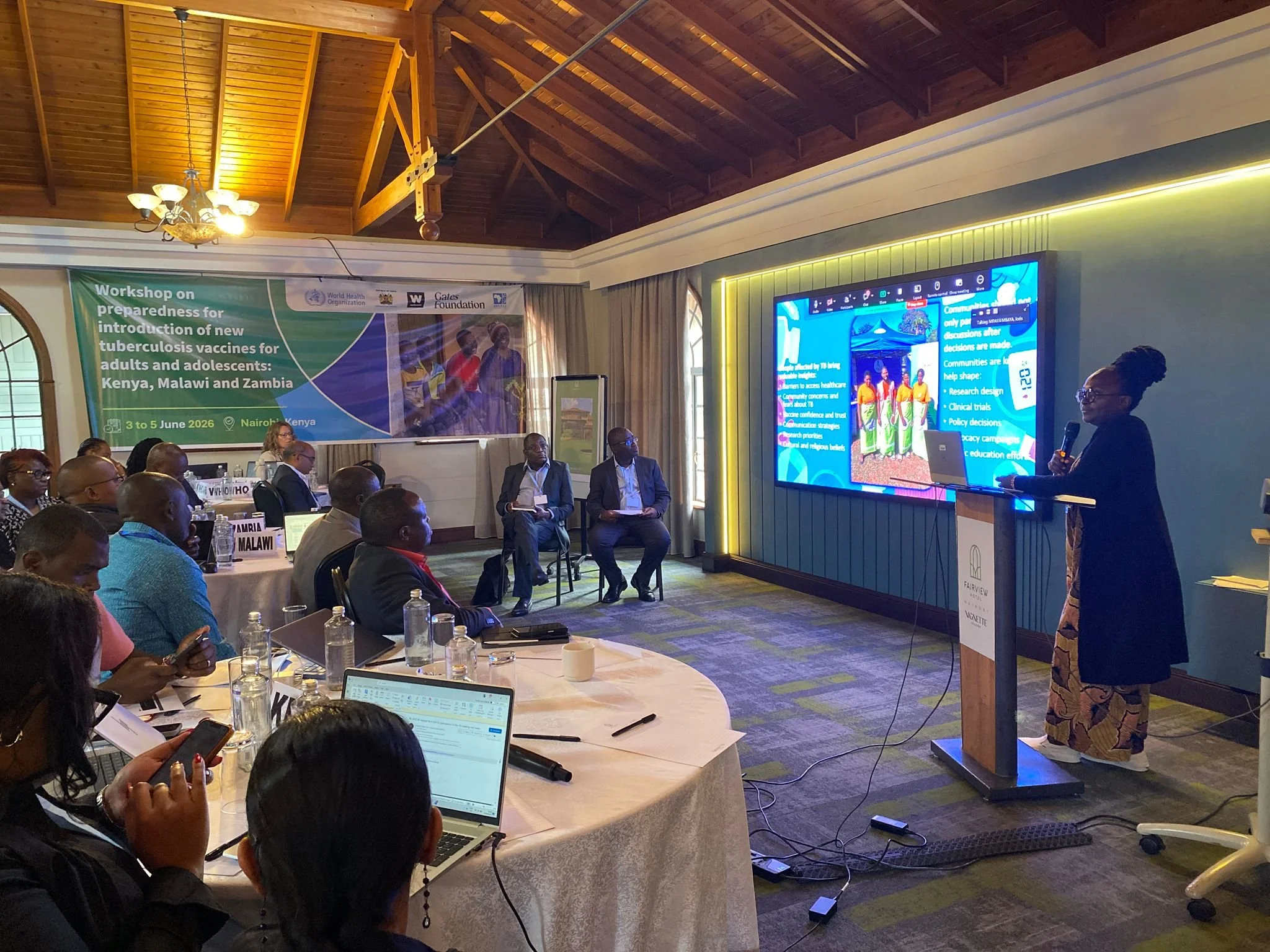
Government leaders from Kenya, Malawi, and Zambia met alongside global partners, civil society organizations and others in Nairobi, Kenya in June 2026, to discuss new TB vaccine introduction in GAVI-eligible countries (Photo credit: WHO).
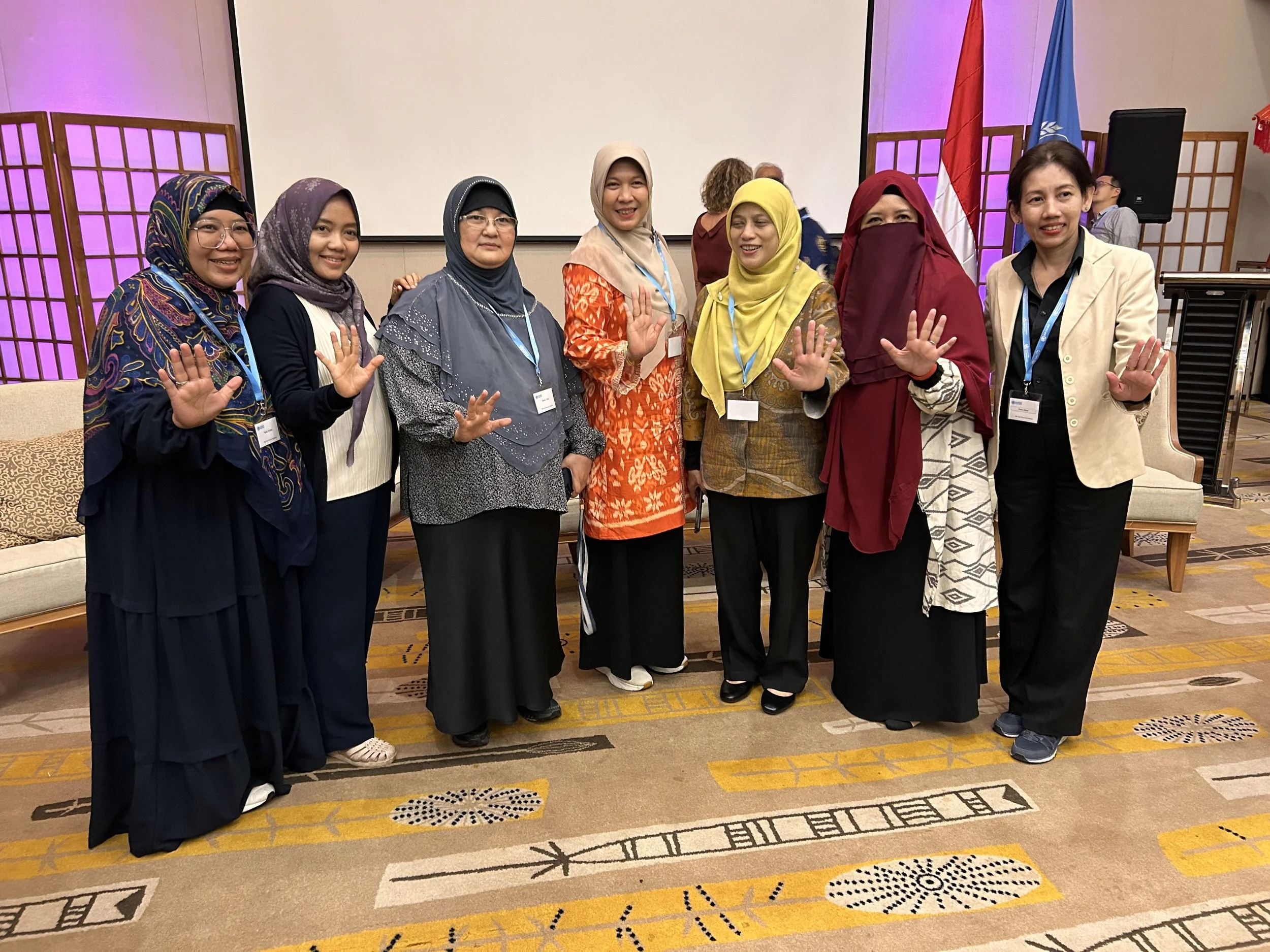
Participants pledge to Stop TB following the first TB vaccine country consultation in Jakarta, Indonesia in November 2024, the first meeting designed to elevate national plans in middle-income countries (Photo credit: Sarah Ewart).
Tuberculosis (TB) remains the world’s deadliest infectious disease, affecting 10.7 million people and causing at least 1.2 million people deaths in 2025, according to the World Health Organization (WHO). With new, licensed TB vaccines for adults and adolescents anticipated as early as 2029, there is growing recognition amongst high-burden TB countries that new vaccines have the potential to play an important role in reducing TB morbidity and mortality. With WHO and partners, a growing number of countries are taking active steps to avoid delays between licensure and introduction and to ensure timely, equitable access.
The WHO established the TB Vaccine Accelerator Council in 2023 to facilitate the development, evaluation, planning and introduction for new TB vaccines for adolescents and adults. Its Working Group on Country Readiness, Advocacy, and Community Partnership for New TB Vaccines brings together country leaders, philanthropic partners, multilateral and national organizations to develop practical tools, generate priority analyses, and to support the coordination required for country preparedness.
Adduna Health Partners serves on the Working Group and contributes to country readiness efforts. With funding from the Gates Foundation, Managing Partner Sarah Ewart collaborated with WHO to conceptualize country consultations beginning in 2024 including meetings held in Indonesia (2024), South Africa (2025), and Kenya, Malawi, and Zambia (2026).
These consultations underscore that vaccine readiness must begin well before licensure. Successful introduction of new TB vaccines will depend not only on vaccine efficacy data but also on strong political commitment, national coordination, sustainable financing, integrated delivery systems, regulatory readiness, country-specific evidence, and early community engagement. Countries have prioritized establishing national coordination mechanisms, incorporating TB vaccination into national plans, and building public trust through proactive communication and engagement.
Planning is already underway in selected countries across Asia and Africa, with future engagements envisioned in other high-burden TB settings, including in Latin America. As potential licensure draws nearer, Adduna Health Partners will continue to work with high-burden countries, WHO, other multilateral organizations, donors, and civil society to translate evidence into impact by contributing to initiatives that enable informed decisions and accelerate access of new TB vaccines for adults and adolescents.