
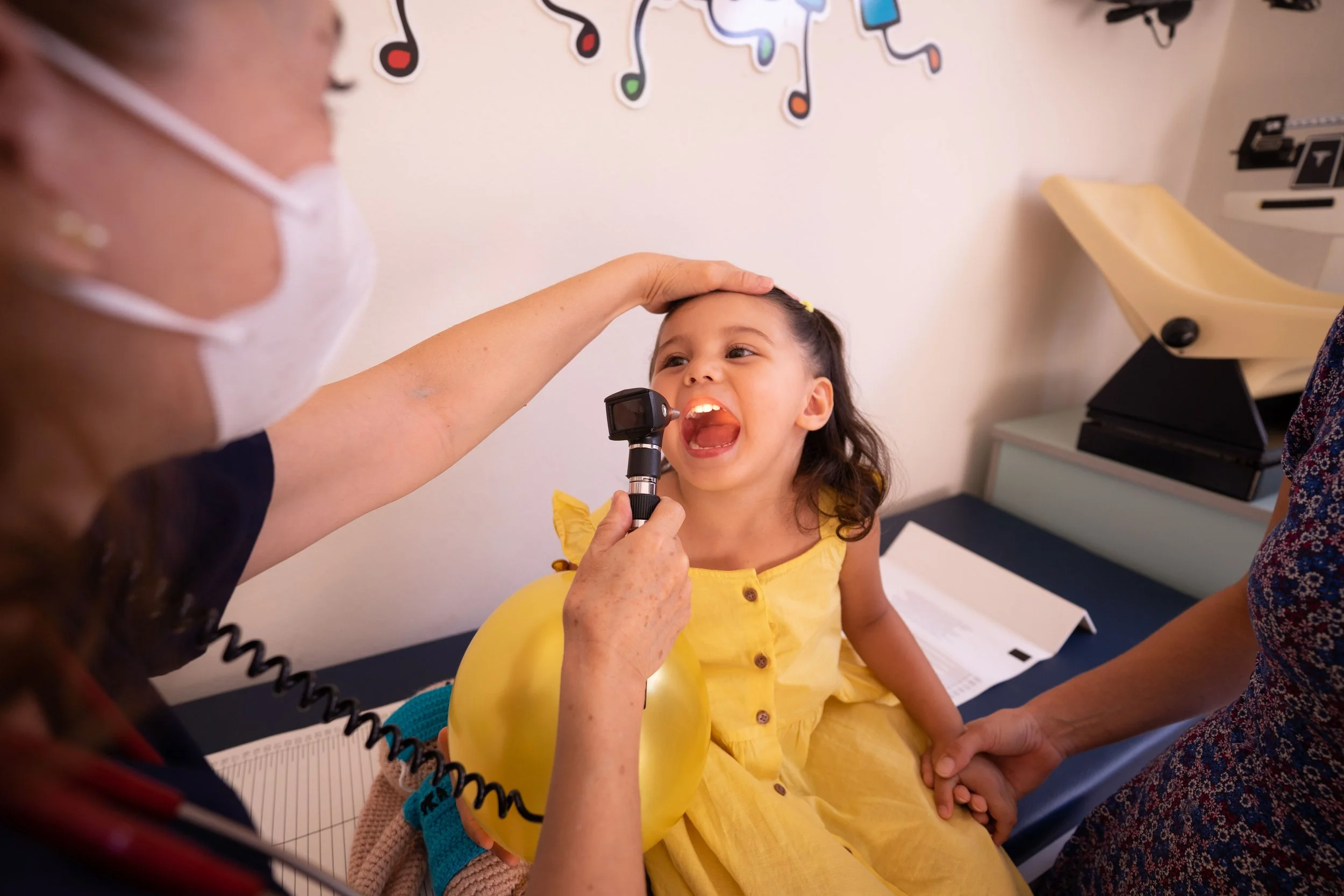
School-based health centers remove barriers to care, support families, and improve student outcomes. (Photo Credit: Los Muertos Crew.)
Adduna Health Partners is pleased to collaborate with the Washington School-Based Health Alliance (WA SBHA), part of a nationwide network of organizations addressing inequities in health and education access.
School-based health centers pair a provider organization such as a community health center with a school, offering students access to essential primary care, mental health, oral health, and vision care services provided by clinic employees, in turn reducing the challenges that working families face in meeting student health needs. The mission of the WA SBHA is to advocate for and advance school-based health care in collaboration with communities and partners statewide.
Unfortunately, this critical mission faces a daunting threat. HR 1, the federal law signed into law in July 2025, includes policy and funding changes that will cause millions of low-income Americans to lose Medicaid coverage. Nearly half of all school-aged children across the US are insured by Medicaid, so the wide-ranging reductions in coverage and federal funding put the health and well-being of all children at risk.
To mitigate the deleterious impacts of HR 1 on children, the WA SBHA recently finalized a new strategic plan with three important goals.
Strengthen and expand school-based health,
Influence state-wide policymaking aligned with the mission, and
Invest in organizational health and capacity
Adduna is pleased to join the WA SBHA in implementing its strategic plan, with particular focus on advancing the second goal, supporting the education of many new lawmakers about the important work of this organization. In this capacity, Adduna is partnering with the WA SBHA to lessen the negative impacts of HR 1 on young people in Washington, while protecting state support for its existing health care safety net for students. With WA SBHA, Adduna is also making the case for Washington to expand the school-based health model to rural communities which have far fewer school-based health centers than population centers.
We have a tremendous amount of gratitude for all of our clients, and we look forward to the important work ahead with our newest partner.