
Reimagining Women’s Health
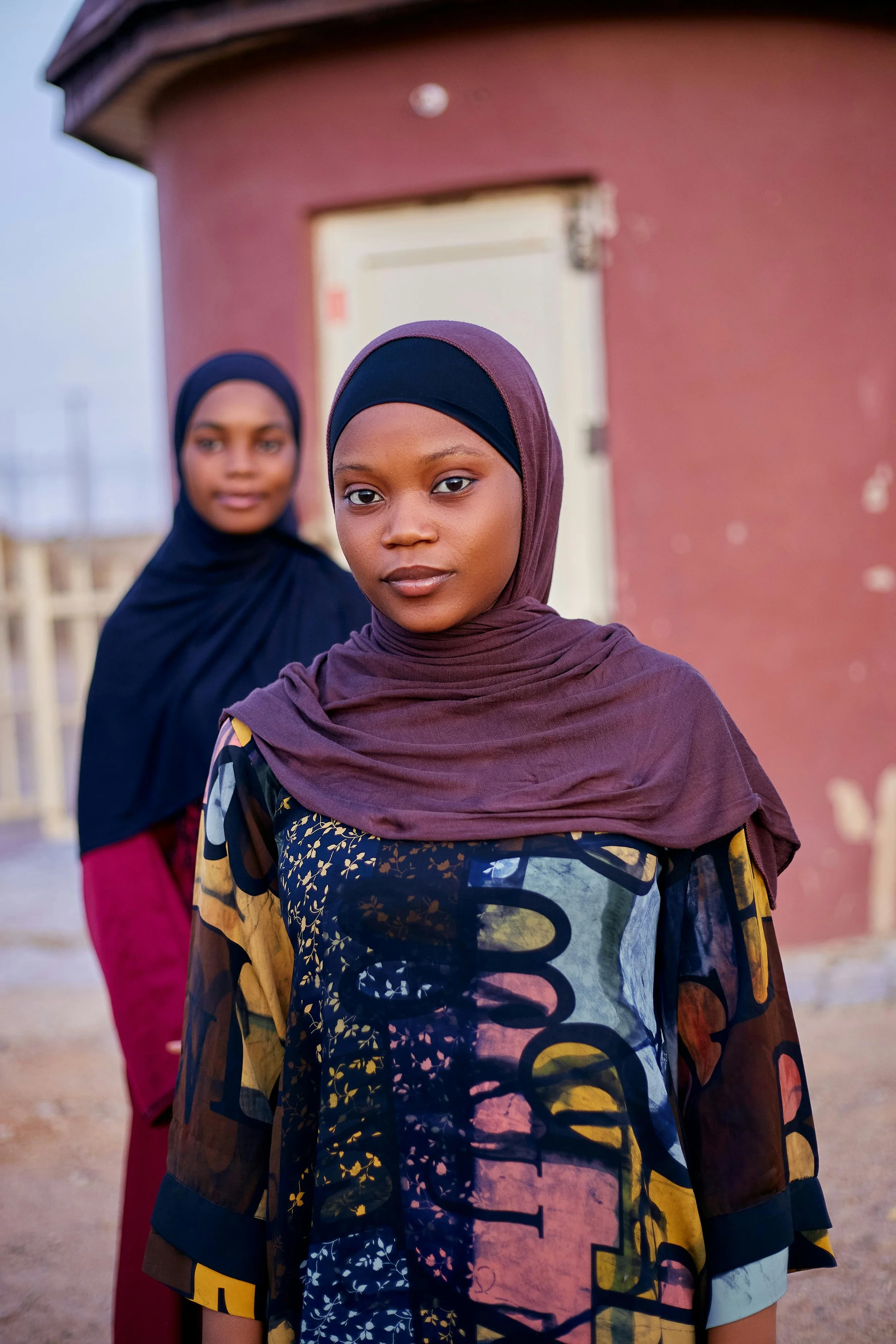
Portrait of two young women (Photo credit: Abdulkadir Muhammed Sani)
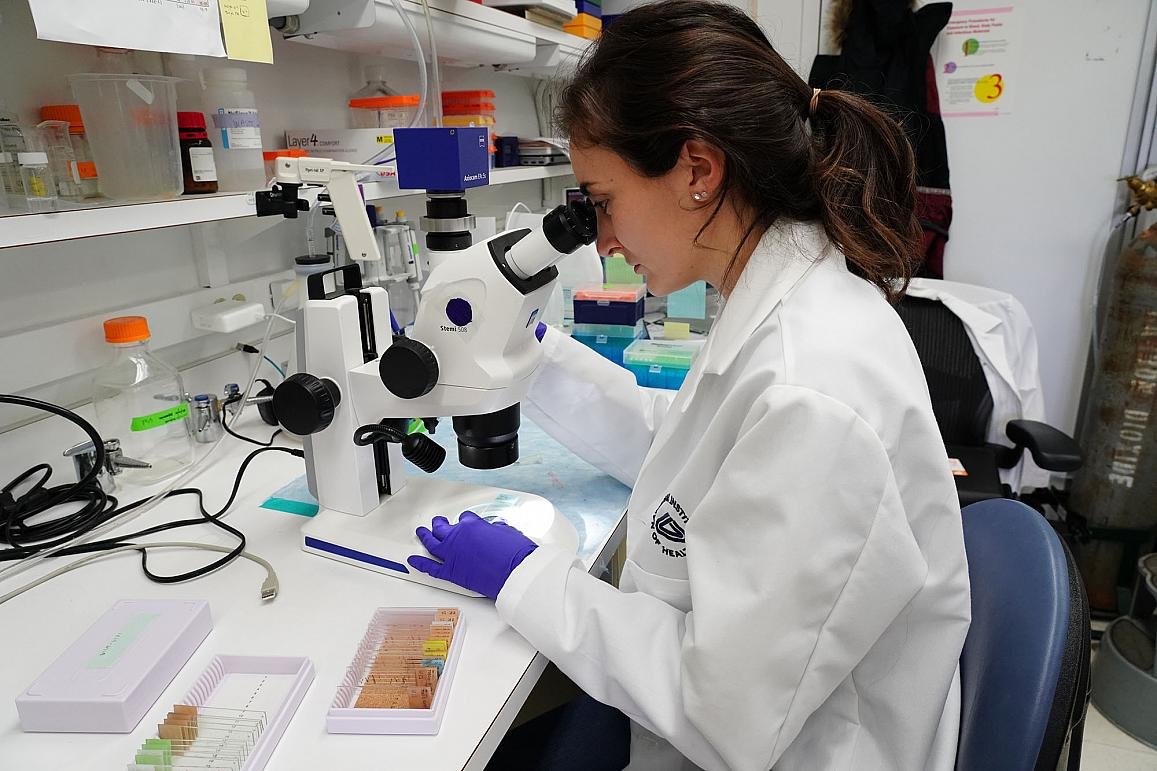
The Medical Research Scholars Program at the US National Institutes of Health allows aspiring physician scientists to pause their studies to conduct basic, clinical, or translational research work. (Photo Credit: National Institutes of Health)
It feels like everyone is talking about women’s health. And for good reason. Women make up half of the world’s population, and it is increasingly recognized that their health needs are unique with some health issues affecting women differently or disproportionately.
Women’s health also presents an opportunity. Estimates project that women’s health is valued at around $50B, and private capital funding is at an all-time high, tripling in the last five years. High-level platforms—including the World Economic Forum’s Global Women’s Health Alliance and the Innovation Equity Forum—have boosted the visibility of women’s health. And many more partners are stepping forward to tackle the obstacles that remain in closing the women’s health gap, including prominent foundations who made major funding announcements in 2025.
While the attention to women’s health is welcome, much of the focus has been on addressing challenges experienced by women living in high-income countries. Yet many women in Africa and Asia—regions where there is the greatest need—still cannot access critical health innovations to live healthy lives. Further upstream, women are not adequately included in clinical trials and investment in the women’s health innovation pipeline, particularly for products relevant for women in low and middle-income countries, remains meager.
Building on previous work, Adduna Health Partners contributed to the women’s health agenda by developing critical advocacy and resource mobilization strategies for the Gates Foundation that align with its $2.5B commitment. The Adduna team developed a robust strategy to attract additional investment to women’s health research and development (R&D) by novel donors, such as new public sector actors from middle- and high-income countries, philanthropic actors, industry players, and private capital firms.
The team also led significant analytical work to characterize the Gates Foundation’s women’s health R&D pipeline investments, understand the uptake and use of women’s health evidence amongst key stakeholders, articulate the case for investing in women’s health, and generate ideas for how to tackle some of the private capital market’s investment barriers.
With the increased interest and investment in women’s health, Adduna Health Partners supports the increased investment and rapid evolution of the innovation sector to ensure that all women, especially those living in Africa and Asia, benefit from the significant growth and progress.